For anyone living in Australia or planning to make it home, understanding the world’s oldest continuous culture is not a footnote — it is the foundation. Indigenous history, land rights, cultural preservation, Welcome to Country protocols and the unfolding 2026 reconciliation process shape Australian identity, law and everyday life in ways that are often underappreciated by newcomers. This guide brings those threads together in one place, so you can navigate them with clarity and respect.
Understanding Indigenous History: From the Dreamtime to Colonisation
Australia’s Aboriginal and Torres Strait Islander peoples have lived on these lands for more than 65,000 years. That timeline makes Indigenous Australian cultures the oldest continuous civilisations on Earth. The Dreamtime — or Tjukurpa in some desert languages — is not simply a collection of myths but a complex system of law, kinship, ecology and creation that still guides daily life in many communities.
When British colonisation began in 1788, it set off a catastrophic chain of dispossession, frontier violence and introduced disease that reduced Indigenous populations drastically. The legal fiction of terra nullius — land belonging to no one — was used to justify taking Country without treaty or consent. That legal lie was not overturned until the High Court’s Mabo decision in 1992, a ruling that remains central to any modern discussion of land rights and reconciliation.
Telling Australia’s Indigenous history honestly means recognising both the extraordinary resilience of First Nations cultures and the ongoing impact of colonial policies such as the Stolen Generations, when Aboriginal and Torres Strait Islander children were forcibly removed from their families well into the 1970s. A 1997 Bringing Them Home report and a 2008 National Apology were milestones, but the trauma is intergenerational and still being addressed through healing initiatives linked to the 2026 reconciliation process.
Land Rights in Australia: Native Title, Mabo and the Next Chapter
The fight for land rights is not ancient history — it is current law, politics and lived experience. The Aboriginal Land Rights (Northern Territory) Act 1976 was the first major legislative recognition, returning large areas of Country to traditional owners. But the true turning point came with Mabo v Queensland (No. 2) in 1992, which recognised native title at common law and dismantled terra nullius. The Native Title Act 1993 followed, creating a framework for First Nations groups to claim rights to lands and waters based on continuing traditional connection.
Native title is not the same as freehold ownership. It can coexist with pastoral leases, mining tenements and national parks, but it is often difficult to prove because claimants must demonstrate an unbroken chain of traditional laws and customs. The legal tests are demanding, and many groups have spent decades in courts and negotiation rooms.
In 2026, land rights discussions are pivoting toward co-management, economic participation and cultural landscape protection. State and territory governments are signing modern treaties — Queensland’s Path to Treaty process is one example — and there is growing corporate awareness that resource projects need genuine consent, not simply consultation. For anyone working in mining, agriculture, construction or planning, a working knowledge of native title and Indigenous land interest registers is now a practical necessity.
Cultural preservation is inseparable from land rights. For First Nations peoples, caring for Country is not a metaphor: language, ceremony, seasonal knowledge and identity are embedded in specific places. When a site is damaged, more than heritage is lost — a library of ecological and spiritual knowledge is erased.
Cultural Preservation: Language Revival, Songlines and Sacred Sites
At the time of colonisation, more than 250 distinct Indigenous languages were spoken across Australia. Today roughly 120 are still in use, and many of those are critically endangered. Language is a frontline of cultural preservation, and community-led revival projects are producing extraordinary results — Kaurna in Adelaide, Gumbaynggirr in northern NSW and Noongar in Western Australia are all being spoken again by children and taught in schools.
Songlines, or Dreaming tracks, crisscross the continent. These are oral maps encoded in ceremony, describing routes, waterholes, trade networks and sacred sites. Preserving Songlines means protecting vast cultural corridors that can stretch thousands of kilometres. Modern land use planning, infrastructure projects and even renewable energy developments now increasingly intersect with these intangible heritage routes, creating both tension and opportunity for genuine collaboration.
Physical sacred sites also demand protection. The destruction of Juukan Gorge by a mining company in 2020 triggered a global outcry and led to new Western Australian Aboriginal cultural heritage legislation, though national standards are still being debated. The 2026 reconciliation process is expected to include stronger federal heritage protections, shaped by First Nations voices rather than imposed by government alone.
Museums, galleries and festivals play a role too, but true cultural preservation is controlled by communities, not institutions. Initiatives like the Indigenous Art Code, the National Indigenous Australians Agency’s language programs and the return of ancestral remains from overseas collections are all part of a broader movement toward cultural sovereignty — one that newcomers to Australia can learn about and support.
Welcome to Country and Acknowledgement of Country: Protocols That Matter
Any public event, school assembly, parliament sitting or sports match in Australia now typically opens with a Welcome to Country or an Acknowledgement of Country. These are not interchangeable expressions, and understanding the difference matters.
A Welcome to Country is performed by an Elder or a recognised custodian of the land on which the event takes place. It is often accompanied by a smoking ceremony, dance, music or a short speech. It cannot be delivered by someone who is not a traditional custodian of that specific place. Booking a Welcome to Country requires time, a fee that respects cultural labour, and a genuine relationship with the local community.
An Acknowledgement of Country, by contrast, can be given by anyone — a non-Indigenous speaker, a host or a participant. It is a statement of respect that names the traditional owners of the land and recognises their continuing connection to Country. Many organisations now include an Acknowledgement on email signatures, office walls and meeting agendas. Done thoughtfully, it signals awareness; done mechanically, it can feel hollow. The 2026 reconciliation process encourages moving from performative acknowledgements to substantive action.
For expatriates, international students and new migrants, encountering these protocols for the first time can be confusing. The simplest rule: listen, learn the local nation or language group name (like Gadigal in Sydney, Wurundjeri in Melbourne, Ngunnawal in Canberra), and understand that a Welcome to Country is not a token gesture but an exercise of enduring custodianship.
The 2026 Reconciliation Process: Milestones, Targets and What to Expect
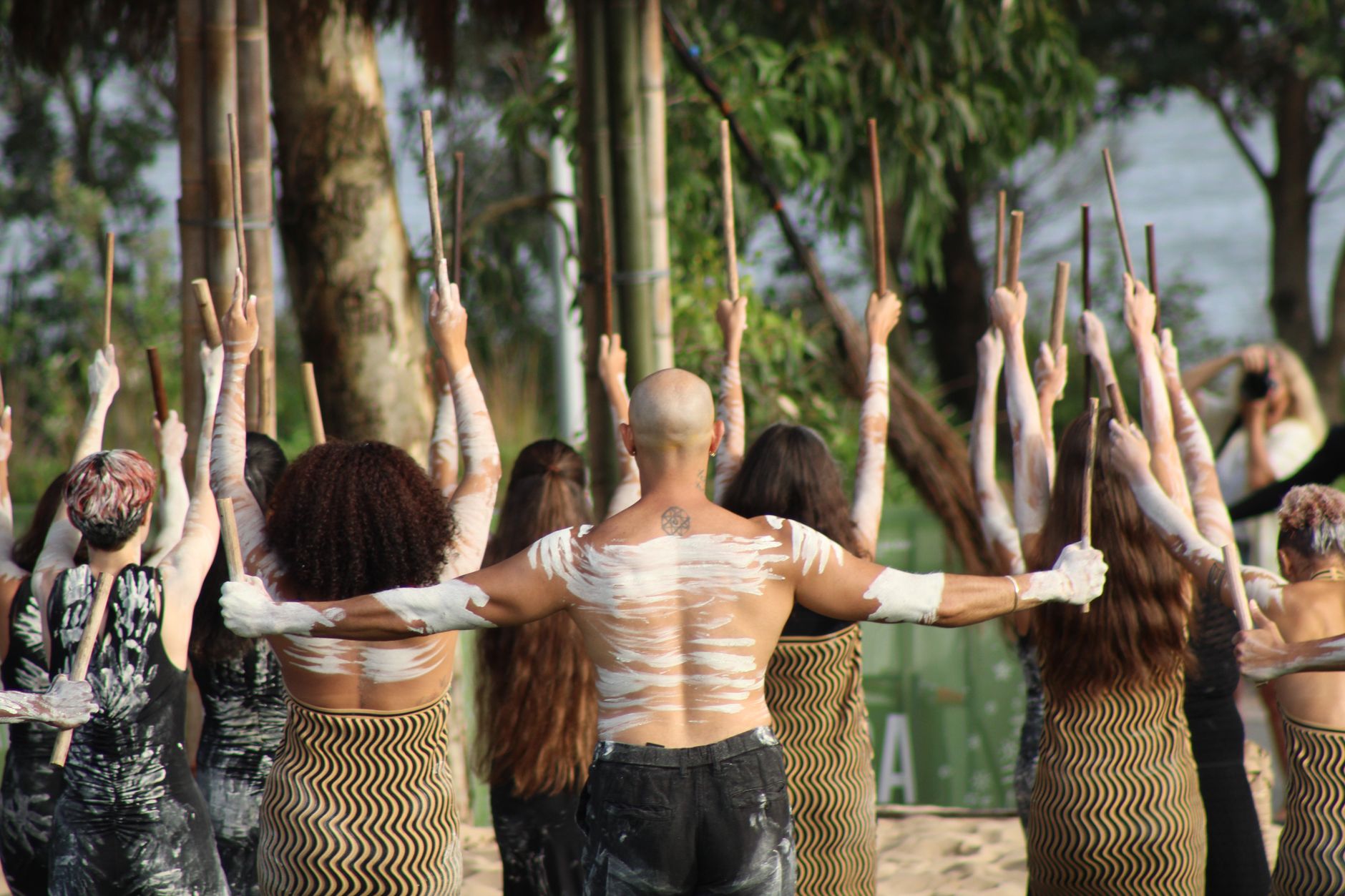
Reconciliation in Australia has an institutional backbone: Reconciliation Australia, founded in 2001, and a series of Reconciliation Action Plans (RAPs) adopted by thousands of businesses, government agencies and community groups. The Closing the Gap framework, first agreed in 2008 and rewritten in 2020 with a stronger partnership model, sets measurable targets in health, education, employment, justice and housing.
By 2026, several national reconciliation commitments come into focus. The refreshed Closing the Gap targets aim to show tangible progress against a 2031 horizon, and the 2026 milestone is a formal checkpoint: are rates of Indigenous incarceration falling? Are more Aboriginal and Torres Strait Islander children completing Year 12? Are land and sea Country management roles expanding? Governments will report publicly, and advocacy groups will hold them accountable.
Voice, Treaty and Truth — the three pillars of the Uluru Statement from the Heart — continue to shape the conversation. The 2023 Voice to Parliament referendum did not pass, but state-based treaty processes and truth-telling commissions have gained momentum. Victoria launched its truth-telling Yoorrook Justice Commission, and similar models are being explored in Queensland and New South Wales. The 2026 reconciliation process operates in this layered landscape: federal, state, community and corporate sectors all moving at different speeds toward shared goals.
For everyday Australians and new arrivals, reconciliation in 2026 means practical things: workplaces engaging more deeply with Indigenous suppliers through their RAPs, schools embedding Aboriginal and Torres Strait Islander histories in the curriculum, and cultural safety training becoming standard in hospitals and public services. Understanding this process is part of being an informed resident — not a niche interest but a civic responsibility.
What the 2026 Reconciliation Process Means for International Students, Skilled Migrants and Visitors
If you are coming to Australia on a student visa, a skilled work visa or as a partner of a resident, the 2026 reconciliation process will touch your life more than you might expect. Universities have RAPs that shape how they teach Indigenous studies, support Indigenous students and engage with local Elders. Your Orientation Week may start with a Welcome to Country, and your coursework might include modules on Indigenous knowledges relevant to health, education, environmental science or law.
In regional Australia, many towns have high proportions of Aboriginal residents and active land rights arrangements. If you plan to work in healthcare, social work, teaching or community services, you will almost certainly be required to demonstrate cultural competence and awareness of Indigenous history and protocols as part of your professional registration.
Even casual everyday interactions — a land acknowledgment at a concert, an Indigenous art trail in a national park, a conversation about which Country you are on — are part of a broader cultural shift. Engaging respectfully with Indigenous history, land rights, cultural preservation and Welcome to Country is not about performing wokeness; it is about understanding the nation you have chosen to join.
FAQ: Indigenous History, Land Rights and Reconciliation in Australia
What is the difference between native title and land rights? Land rights typically refer to statutory schemes — such as those under the Aboriginal Land Rights Act in the Northern Territory — that grant freehold or leasehold title to Indigenous groups. Native title is a common law concept that recognises pre-existing Indigenous rights to lands and waters based on traditional laws and customs. Native title can coexist with other land interests but does not grant full ownership in the same way.
Can anyone perform a Welcome to Country? No. Only a recognised traditional custodian of the specific Country where an event is held can perform a Welcome to Country. It is a ceremony with deep cultural authority. An Acknowledgement of Country can be given by anyone to show respect for the traditional owners.
Why is 2026 important for reconciliation in Australia? 2026 represents a formal checkpoint for the Closing the Gap targets and a year when several state treaty and truth-telling processes will be at key stages of implementation. It is also a moment when many Reconciliation Action Plans are being renewed, bringing fresh commitments from the private and public sectors.
How do I find out which Country I am on? Resources such as the AIATSIS map of Indigenous Australia, local council websites and cultural centres can help. In major cities, common nations include Gadigal (Sydney), Wurundjeri (Melbourne), Turrbal and Jagera (Brisbane), and Ngunnawal (Canberra). Acknowledging the right Country is a small but meaningful practice.
What is being done to preserve Indigenous languages? Community-led language nests, university partnerships, dedicated government grants and mobile apps are all part of language revival. Programs like First Languages Australia and the NSW Aboriginal Languages Act 2017 support teaching, documenting and revitalising endangered languages. Demand for learning traditional languages is growing, even among non-Indigenous Australians.
Conclusion: Reconciliation Is a Shared Journey
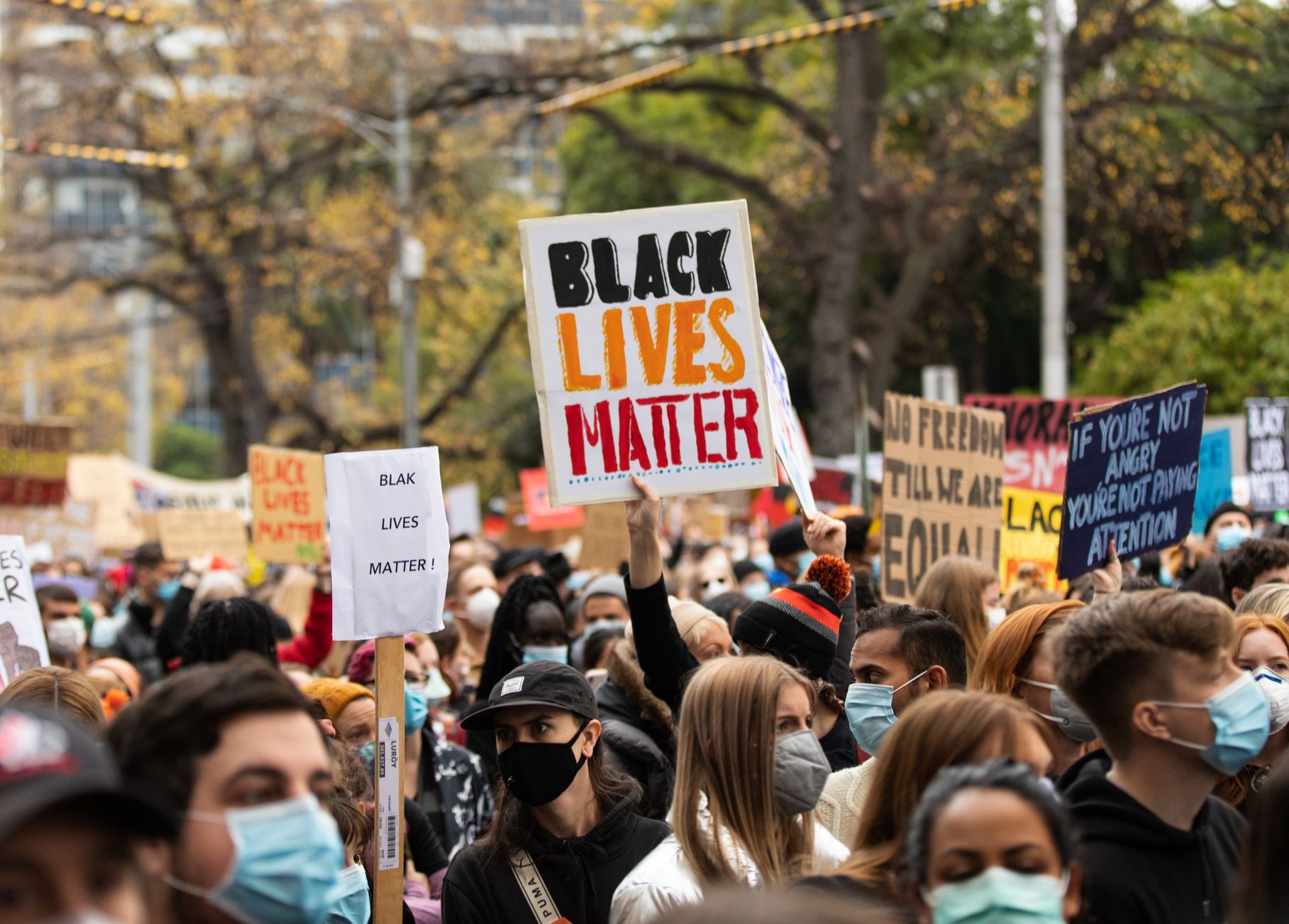
This country’s story is much older than Federation, much deeper than the Sydney Harbour Bridge or the Melbourne laneways. It is carried in Songlines, safeguarded by Elders, and written into laws about land and water that continue to evolve. Engaging with Indigenous history, land rights, cultural preservation and the Welcome to Country is not a box to tick — it is a way of seeing Australia honestly, in all its complexity.
The 2026 reconciliation process invites every resident, visitor and institution to move from awareness to action. Whether you are an international student attending your first Acknowledgement of Country, a skilled migrant working on a project that involves native title, or a tourist wanting to travel with respect, the knowledge shared here is a starting point. Learn the name of the Country you are on, listen to what Elders are saying, and understand that reconciliation is not a destination — it is a daily practice.